
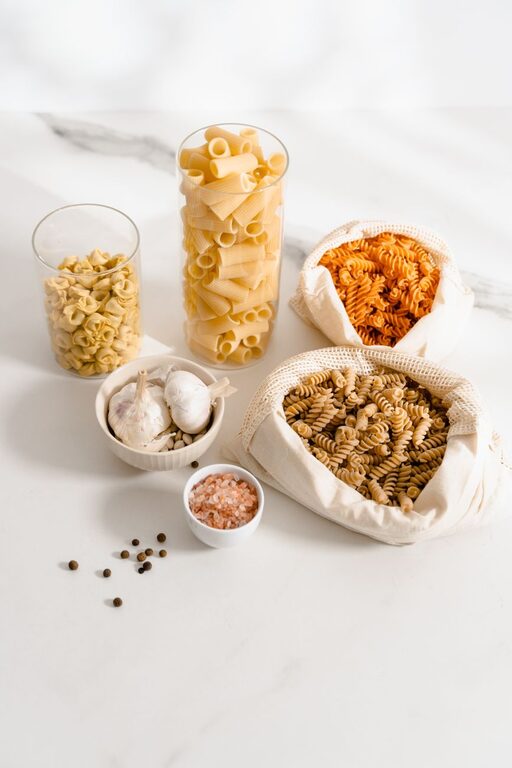
Planning meals from pantry staples is a smart way to save time, reduce food waste, and stick to your budget without sacrificing flavor. Your pantry likely holds many versatile ingredients that can be combined in creative ways to make satisfying dishes. Whether you’re aiming to prepare weekday dinners, quick lunches, or snacks, having a plan based on what’s already in your cupboard can make cooking more enjoyable and less stressful.
In this post, we’ll guide you through how to plan meals using pantry staples, share some tips for organizing your pantry for success, and provide ideas to inspire your next meals.
Why Plan Meals from Pantry Staples?
Using pantry staples as the foundation for your meal planning offers several benefits:
– Cost-effective: Pantry items like rice, beans, pasta, and canned goods are affordable and have a long shelf life. Planning meals around them reduces the need for expensive fresh ingredients.
– Convenient: Having a plan speeds up decision-making and helps avoid last-minute trips to the store.
– Waste reduction: Using what you already have minimizes food spoilage.
– Flexible: Pantry staples can be turned into many different dishes, allowing for variety even with limited ingredients.
Step 1: Take Inventory of Your Pantry Staples
Start by taking a thorough inventory of what’s currently in your pantry. Here’s how:
– Pull everything out of your pantry shelves.
– Sort items into categories: grains, canned vegetables, canned beans, pasta, sauces, spices, nuts, and baking supplies.
– Check expiration dates and discard anything expired.
– Note which staples you have in abundance and which you may need to restock.
Common pantry staples include:
– Grains: rice, pasta, quinoa, oats
– Legumes: canned beans (black beans, chickpeas), lentils
– Canned goods: tomatoes, corn, vegetables
– Baking supplies: flour, sugar, baking powder
– Oils and vinegars
– Spices and dried herbs
– Broth or stock (canned or powdered)
Step 2: Plan Your Meals Around Key Ingredients
Choose a few main pantry staples as the base for your meals that week. For example, if you have plenty of canned beans and rice, plan meals that feature those ingredients.
Sample meal ideas by staple:
– Rice: stir-fries, rice bowls, soups, or stuffed peppers
– Pasta: simple tomato sauce, pasta salad, casseroles
– Beans: bean chili, salads, tacos, or bean dips
– Canned tomatoes: stews, pasta sauce, shakshuka
– Lentils: lentil soup, curries, or salads
Mix these pantry ingredients with some fresh or frozen vegetables and a protein source if available.
Step 3: Incorporate Fresh and Frozen Ingredients
While pantry staples form the meal’s base, adding fresh or frozen vegetables, herbs, or proteins can elevate your dishes.
– Check what fresh produce you have on hand, such as onions, garlic, carrots, or leafy greens.
– Frozen vegetables are a great option as they last longer and are just as nutritious.
– Consider adding eggs, tofu, cheese, or leftover cooked meats for protein.
Step 4: Use Your Spices and Condiments to Add Flavor
Don’t forget to use your collection of spices, herbs, and condiments. Even simple ingredients like salt, pepper, garlic powder, and chili flakes can transform a basic dish.
Some pantry condiments to keep in mind:
– Soy sauce or tamari
– Mustard
– Hot sauce
– Vinegars (balsamic, apple cider)
– Honey or maple syrup
These can help balance flavors and add interest to your meals.
Step 5: Create a Weekly Meal Plan and Shopping List
Now that you know what you have, draft a weekly meal plan that highlights your pantry staples. Write down meals for breakfast, lunch, and dinner, and include snacks if desired.
– Plan versatile meals that can be adjusted if you want leftovers or double batches.
– Make a shopping list to pick up only the fresh ingredients you need, avoiding impulse buys.
– Consider prepping some ingredients in advance to speed up cooking.
Tips for Organizing Your Pantry to Support Meal Planning
Keeping your pantry well-organized will make building meals from staples easier:
– Store items by category and label shelves or containers.
– Use clear containers for items like flour, oats, or beans to quickly see quantities.
– Place frequently used items at eye level.
– Keep a notepad or whiteboard nearby to jot down when you use up staples or need to restock.
– Rotate older items to the front to use them before expiration.
Easy Pantry Staple Recipes to Get You Started
Here are a few simple recipes using common pantry items:
1. One-Pot Rice and Beans
– Sauté onion and garlic in a pot.
– Add canned beans, rice, canned tomatoes, and broth.
– Season with cumin, chili powder, salt, and pepper.
– Simmer until rice is cooked and flavors are combined.
– Serve with chopped fresh cilantro or a squeeze of lime.
2. Pasta with Tomato and Herb Sauce
– Cook pasta according to package instructions.
– In a pan, heat olive oil and sauté garlic.
– Add canned tomatoes, dried oregano, basil, salt, and pepper.
– Simmer until sauce thickens.
– Toss pasta with sauce and sprinkle with grated cheese.
3. Chickpea Salad
– Rinse canned chickpeas.
– Mix with diced cucumber, tomato, red onion, and parsley.
– Dress with olive oil, lemon juice, salt, and pepper.
– Serve on its own or with toasted bread.
Final Thoughts
Planning meals from pantry staples is about working with what you have and using a little creativity to make tasty, nutritious meals. By taking inventory, planning meals around your staples, and incorporating spices and fresh ingredients, you can enjoy stress-free cooking and reduce food waste. With an organized pantry and a bit of planning, you’ll find endless delicious possibilities right at your fingertips.
Happy cooking!